


After hearing the insightful insights of experts on "Automotive Technology Day"
Of course, we need to witness the current situation of the entire industry chain~
The eagerly awaited 2021 Munich Shanghai Electronics Exhibition is grand opening today!
The crowd is surging at the scene, and Xiaomu's words are lacking. Let's take a look at the picture above and feel it
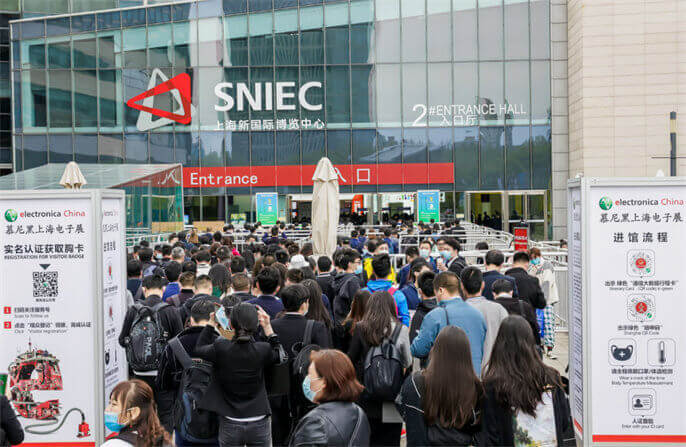
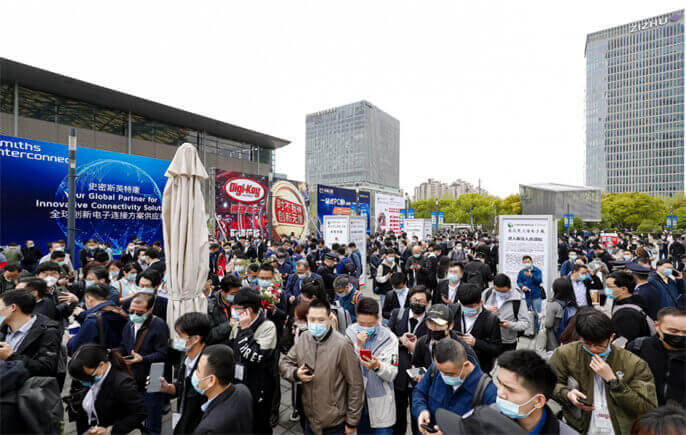
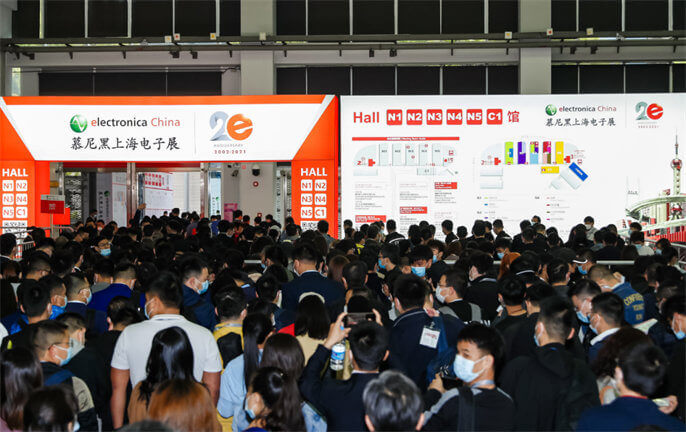
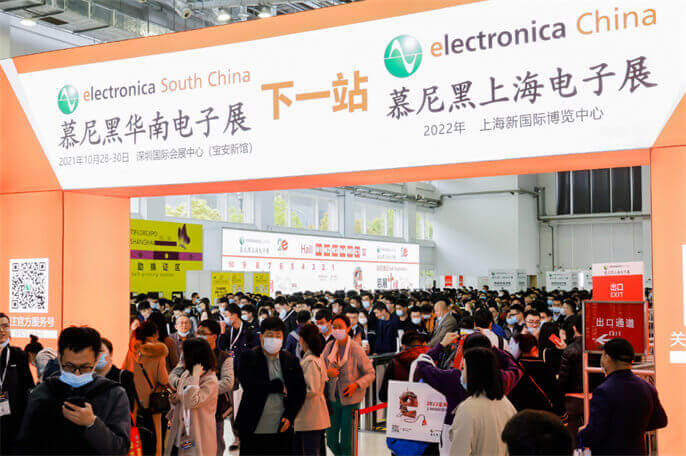
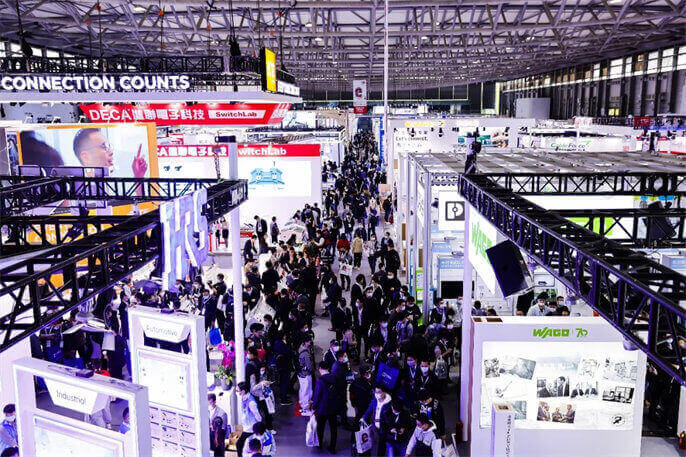
In this exhibition, the sponsor made great efforts to build the "International Theme Building of Automotive Electronics, Systems and Solutions", aiming at starting from the application of electronic technology in the automotive industry, and comprehensively creating a technology exhibition platform for the entire industrial chain of the automotive electronics industry from the industry's forward-looking R&D technology to the application terminal. This is also the destination for Xiao Mu's exhibition today. Let's go and see what surprises are waiting for us~
How to Develop Intelligent Connected Vehicles? It still depends on sensing technology
At present, intelligent connected vehicles are entering a period of rapid development worldwide. According to authoritative institutions, driven by huge market demand, the industrial scale of intelligent connected vehicles in China is expected to exceed 460 billion yuan in 2021. By 2022, the scale of intelligent connected vehicles in China will reach 632.9 billion yuan, with a trillion yuan market ready to emerge. In the future ecological advancement of intelligent connected vehicles, the supply chain is also responding to changes.
The significant feature of intelligent connected vehicle technology is the widespread use of sensing technology, which relies on extremely high data collection performance to obtain road and vehicle information, and transmit this information to the vehicle control center, providing decision-making basis for intelligent connected vehicles. As an excellent product supplier in the electronics industry, Honeywell (booth number: N2.2320) has been deeply involved in sensing technology for many years, and this time it also showcases many automotive related sensing technologies.
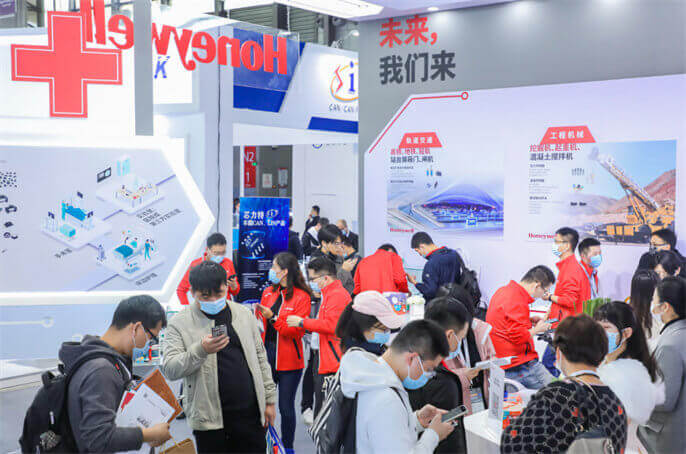
The on-site staff introduced Xiaomu in detail the battery safety early warning sensor developed with Honeywell patented technology, which can monitor the abnormal state of the battery in the system at the first time, effectively improving the safety of the whole vehicle. The ultra Low-power electronics enables the system to ensure that the parking state is still under monitoring conditions, and react at the first time.

High precision measurement methods are also used to monitor battery current, assist BMS in accurately calculating battery power, extend battery life, and increase range. The measurement current can reach 1500A, and various output methods such as PWM, LIN, and CAN can seamlessly cooperate with customer systems, reducing the difficulty of system matching.
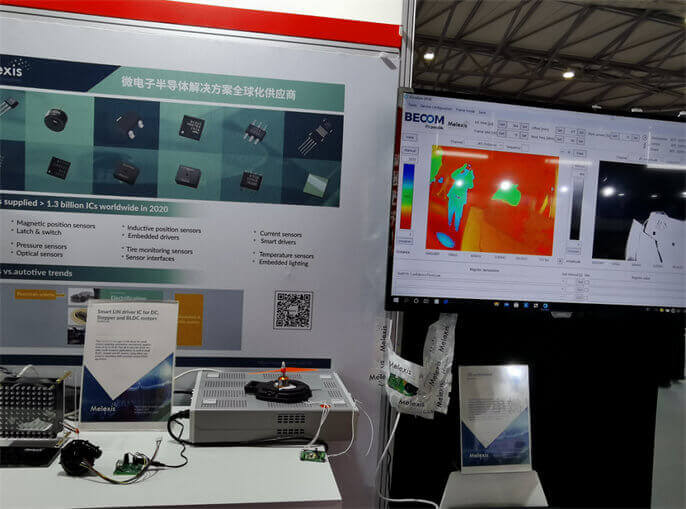
On the other hand, Mirachip (Booth No.: N3.3306-7), widely known in the automotive industry, recently launched a new automotive level AEC-Q100 3D Hall effect sensor MLX90395. It is reported that the dual mode version of MLX90395 provides redundant requirement scenarios, such as gear lever position sensing in automotive applications. The functionality of MLX90395 is defined through the system processor, rather than being hardwired to the device itself. In terms of its applicability to position sensing, it actually has an infinite range.
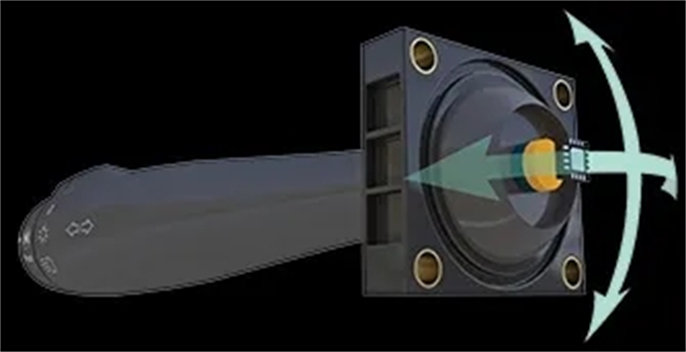
According to the staff, "The advantage of MLX90395 lies in its high sensitivity and versatility, coupled with its low power and small size. Manufacturers can now use the best 3D magnetic node sensing solution, which has reached the automotive level
In the field of high-precision positioning of vehicles, sensor technology has always occupied a crucial position. In order to accurately detect vehicle position information in tunnels and under bridges that cannot be located by the global Satellite navigation. Xinna ACEINNA (Booth No.: N3.3500), which focuses on the sensing field, launched a new type of ACEINNA IMU383ZA Inertial measurement unit sensor.
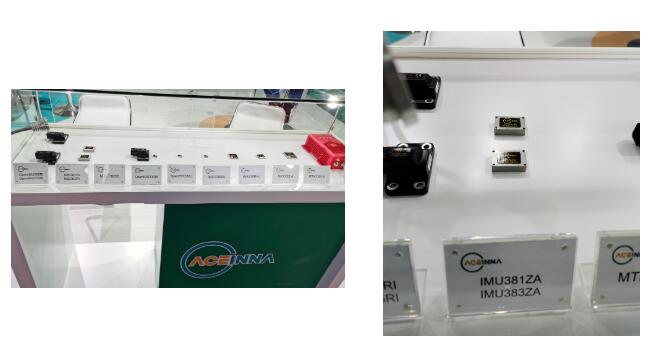
It is reported that the sensor integrates triple redundancy, three-axis MEMS accelerometer and gyroscope, combined with small and low-cost packaging, to meet the challenging performance, reliability and cost requirements in the automotive market, such as autonomous vehicle, autonomous taxi/delivery vehicle, ADAS system, electronic stability control system, lane keeping assistance applications, etc.
In addition, with the increase of body network ECUs in the field of automotive sensors, LIN bus communication is widely used, especially in systems such as automotive air conditioning and thermal management. Suzhou Naxin Micro (booth number: N2.2340), an excellent domestic signal chain chip and solution provider, has announced the launch of a single chip pressure sensor signal conditioning chip NSA (C) 9262 with a car standard LIN bus interface.
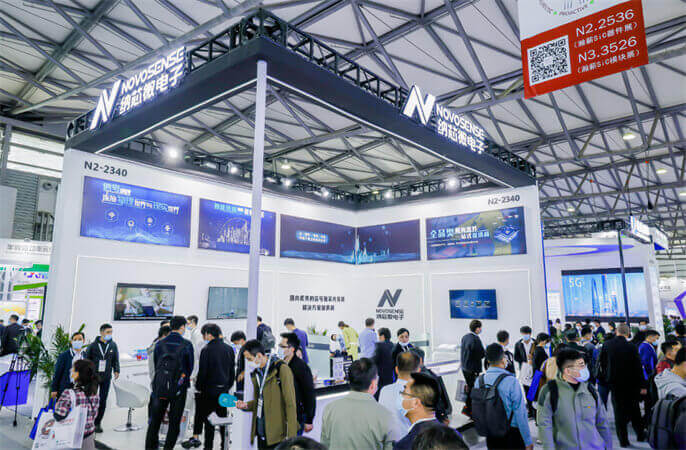
This product belongs to the NSA (C) 926XX series of automotive grade pressure sensor signal conditioning chip product series, supporting LIN bus physical interface communication mode, and can be widely used in various electronic control systems such as automotive air conditioning and thermal management systems, intake/exhaust management systems, fuel vapor management systems, and brake assist systems.
Central control large screen technology model? Multi intelligence at the bottom is the ultimate destination for the cockpit
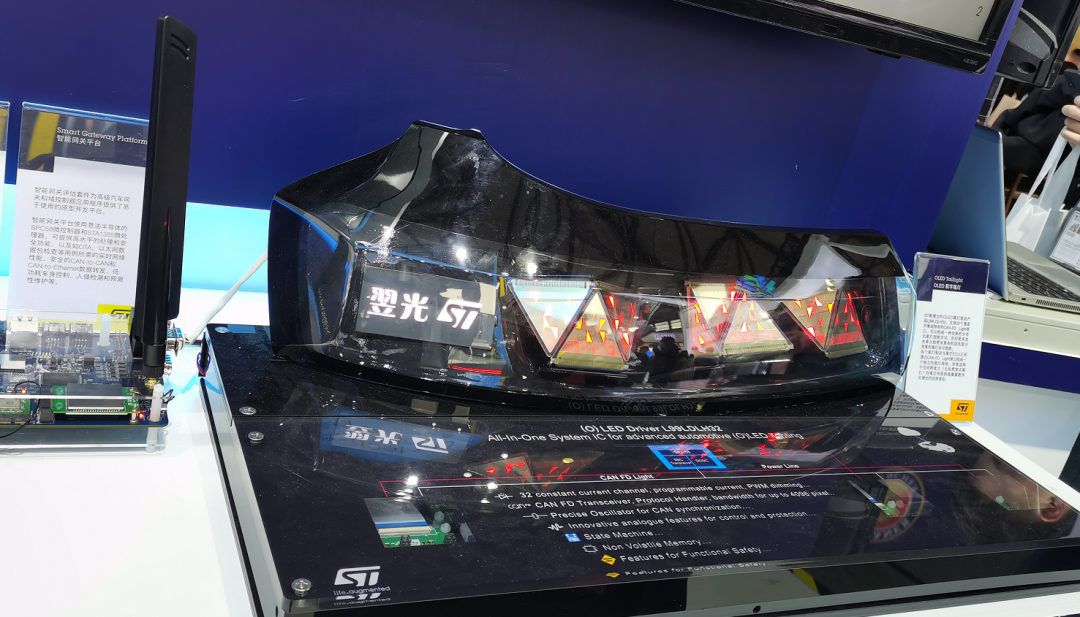
It is reported that each taillight driver and taillight ECU form an independent taillight network through the CAN-FD Light interface, which is very suitable for applications with large spatial spans (such as through type taillights) and high pixel digital dimming of taillight layouts.
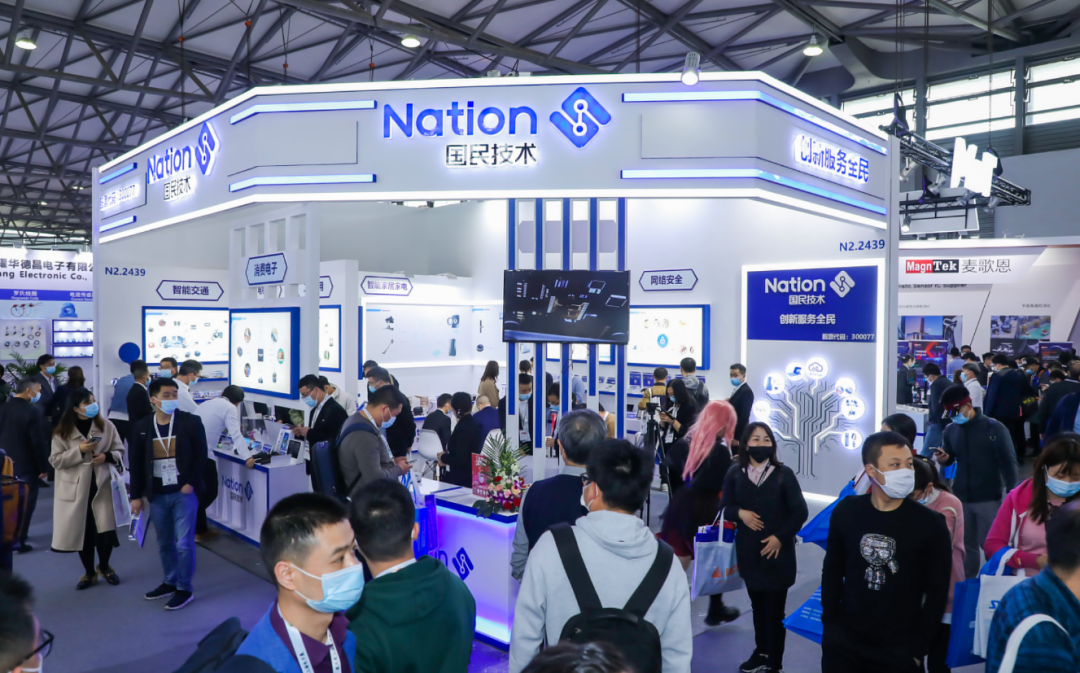
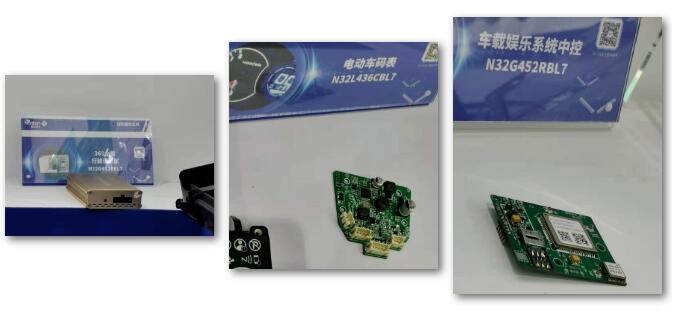
Previously, car companies pursued a super large central control screen to reflect a sense of technology, gradually developing to be equipped with more advanced technology configurations, such as car engine systems and intelligent driving functions, starting from the underlying logic of the vehicle to consider intelligent solutions. As an innovative embedded SOC chip and solution provider, National Technology (booth number: N2.2439) showcased many solutions in the field of intelligent cockpit at the Shanghai Electronics Exhibition in Munich. Based on its N32G/N32L series, which won the 2021 China IC Design Achievement Award, including the 360 panoramic driving recorder of N32G452REL7, electric vehicle code table based on N32L436CBL7, and other solutions in terms of performance, power consumption It has obvious characteristics and advantages in terms of integration and other aspects.
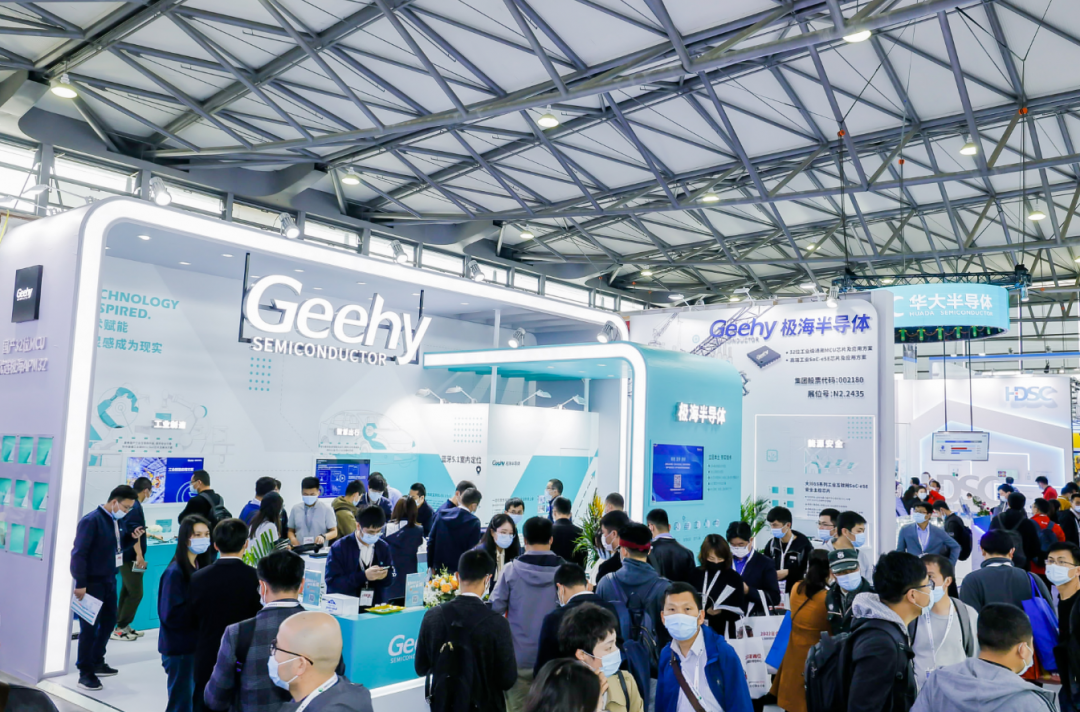
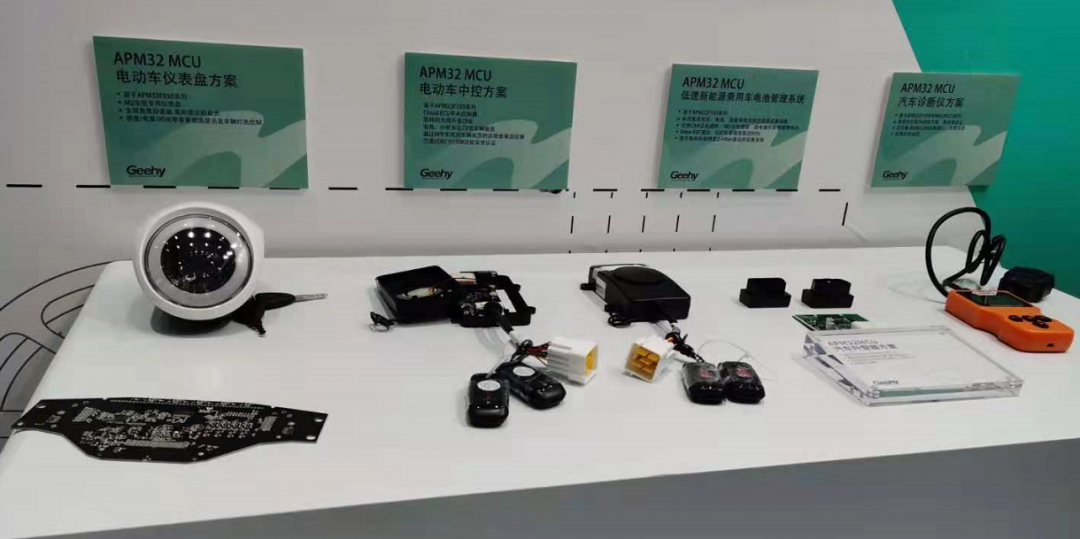
It should be noted that a car requires the use of over a hundred universal MCUs, and the MCU market share in the automotive market has exceeded one-third of the global MCU market. However, the automotive industry's supply chain is currently under strain. In response, Polar Ocean Semiconductor (booth number: N2.2435), which focuses on the industrial field, has begun to actively layout its automotive electronics related business. Its newly released ARM based ® Cortex ®- The industrial grade universal APM32F030x8 series MCU with M0+core has been applied in the field of automotive intelligent cockpit.
The APM32F030x8 series MCU has the characteristics of large capacity, wide temperature range, low power consumption, and comprehensive optimization in reliability, stability, and power consumption performance. The chip code execution efficiency is high, and customers can quickly realize Import substitution industrialization without modifying the design. According to the on-site staff, the APM32F030x8 series MCU also has a 96 digit chip unique serial number (UID), which can meet customers' customized regional product sales strategies. The APM32 series MCU has complete product performance certification (which has passed the official USB-IF certification and IEC61508 testing), effectively ensuring worry free export of application products.
Solve power management challenges and solidify the foundation of automotive electrification
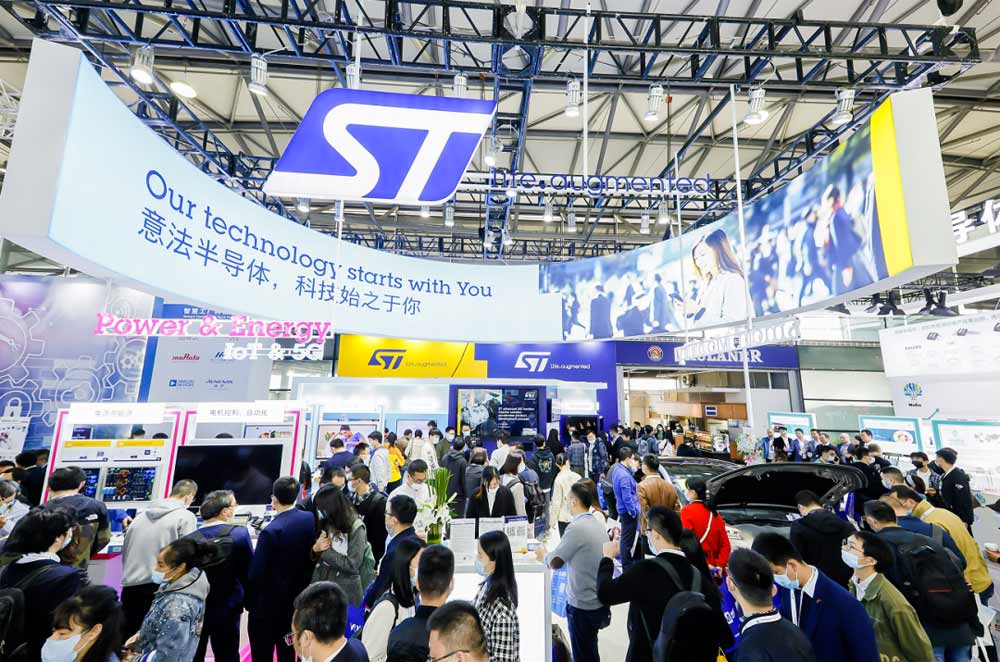
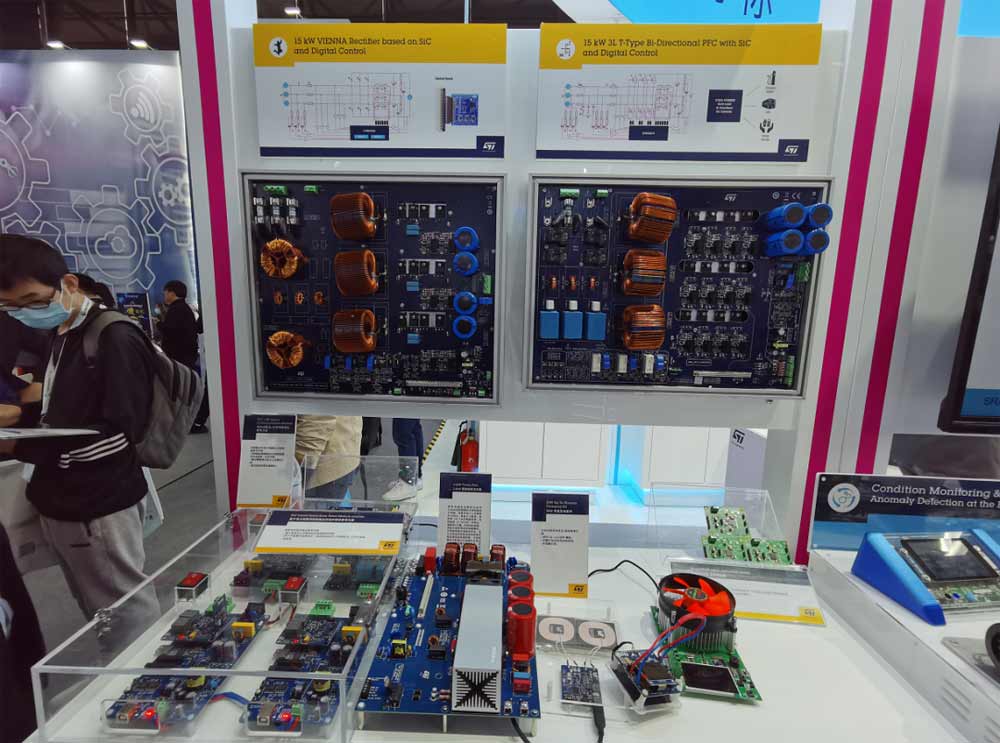
As the center of automotive computing decision-making, the implementation of domain controllers relies on the main control chip. The improvement of the computing power of the main control chip has become one of the core of automotive intelligent upgrading, and its structural form is upgrading from MCU to heterogeneous SoC chips. To support the high current power supply requirements of automotive domain controllers, especially autonomous driving domain controllers, ST has exhibited a series of power management chips STP801, STPM802, STPM098, and STSHB50. STPM801 is an ideal diode and reverse output protection controller with hot plug, soft start and combination protection. It is applicable to 12V and 24V systems. It is the basic device to ensure the correct and continuous operation of the auto drive system.
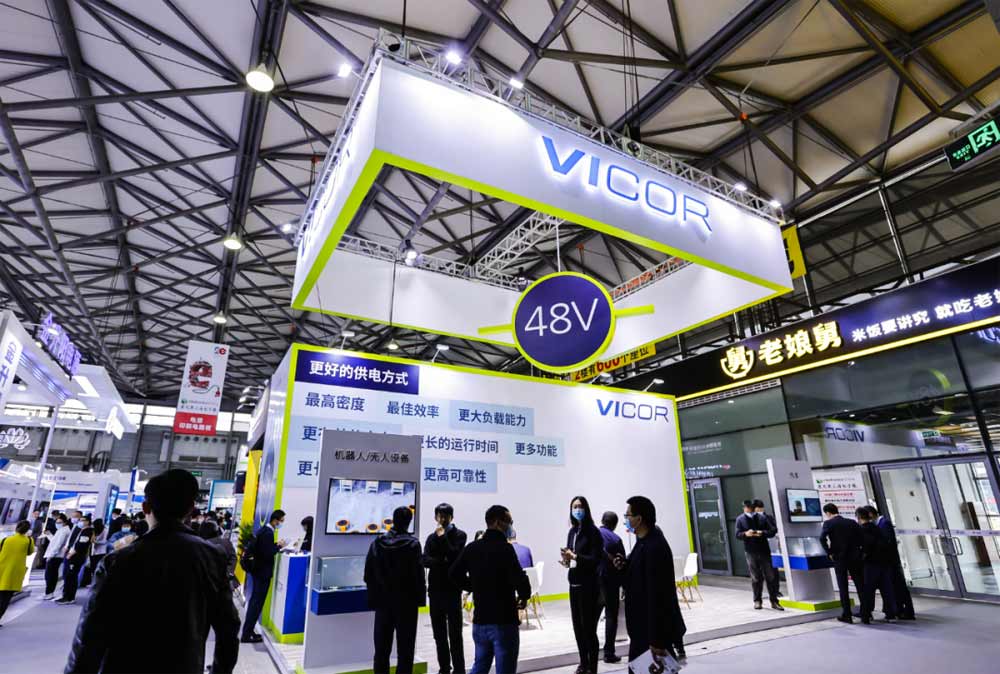
On the other hand, the emergence of autonomous vehicles requires high-performance graphics processors such as LiDAR, cameras, and ultrasonic sensors to collect, interpret, integrate, and interpret systems, which puts higher demands on the power distribution system. Traditional 12V power distribution buses in cars are no longer capable of being pulled by small horses. Even with the Advanced Driver Assistance System (ADAS), the 12V electrical system is no longer able to provide the required energy. Therefore, both the current hybrid electric vehicles, pure electric vehicles and future autonomous vehicle need 48V systems to withstand high energy consumption loads. Vicor (booth number: N4.4100) stabilized voltage converter DCM3717, which can quickly deploy high-performance 48V power supply for its traditional 12V load, while significantly optimizing the size, weight, and efficiency of the power system, supporting the LV148 specification (48V vehicle standard) for pure electric and hybrid vehicles.
As one of the largest industrial module power supply manufacturers in China, Jin Shengyang (booth number N4.4210) showcases one-stop power supply solutions in fields such as healthcare, energy, electricity, rail transit, intelligent transportation, and smart cities. For the application in the automotive electronics industry, Jinshengyang showcases multiple specialized power supplies that can better meet application requirements and provide protection. They strictly follow the system control of IATF16949, fully adopt automotive grade components, and all comply with the AEC-Q100 automotive standard, providing customers in the automotive industry with a safer and more reassuring choice.